A randomised proof-of-concept trial testing whether adding metformin to standard tuberculosis therapy protects lung function, in the first such study in sub-Saharan Africa.
Tuberculosis remains the leading infectious cause of death worldwide, and Ethiopia records around 140,000 new cases a year. First-line therapy has been essentially unchanged for decades, treatment success sits below the End TB target, and many survivors are left with lasting lung damage. No host-directed adjunct is used in routine TB care anywhere in sub-Saharan Africa, and the single randomised trial of adjunctive metformin was conducted in a population with a very different HIV, nutritional and genetic profile.
A phase IIa randomised open-label trial with blinded endpoint assessment, enrolling 110 non-diabetic adults with newly diagnosed drug-sensitive pulmonary tuberculosis at a single site. Participants receive standard therapy with or without metformin for sixteen weeks, allocated one to one by computer-generated permuted blocks stratified by HIV status and smear grade, with concealed allocation and masked laboratory, spirometry and adjudication. The primary endpoint is change in post-bronchodilator lung function at six months, with secondary endpoints covering treatment success, time to culture conversion, inflammatory markers and safety, including the interactions between metformin and both rifampicin and dolutegravir.
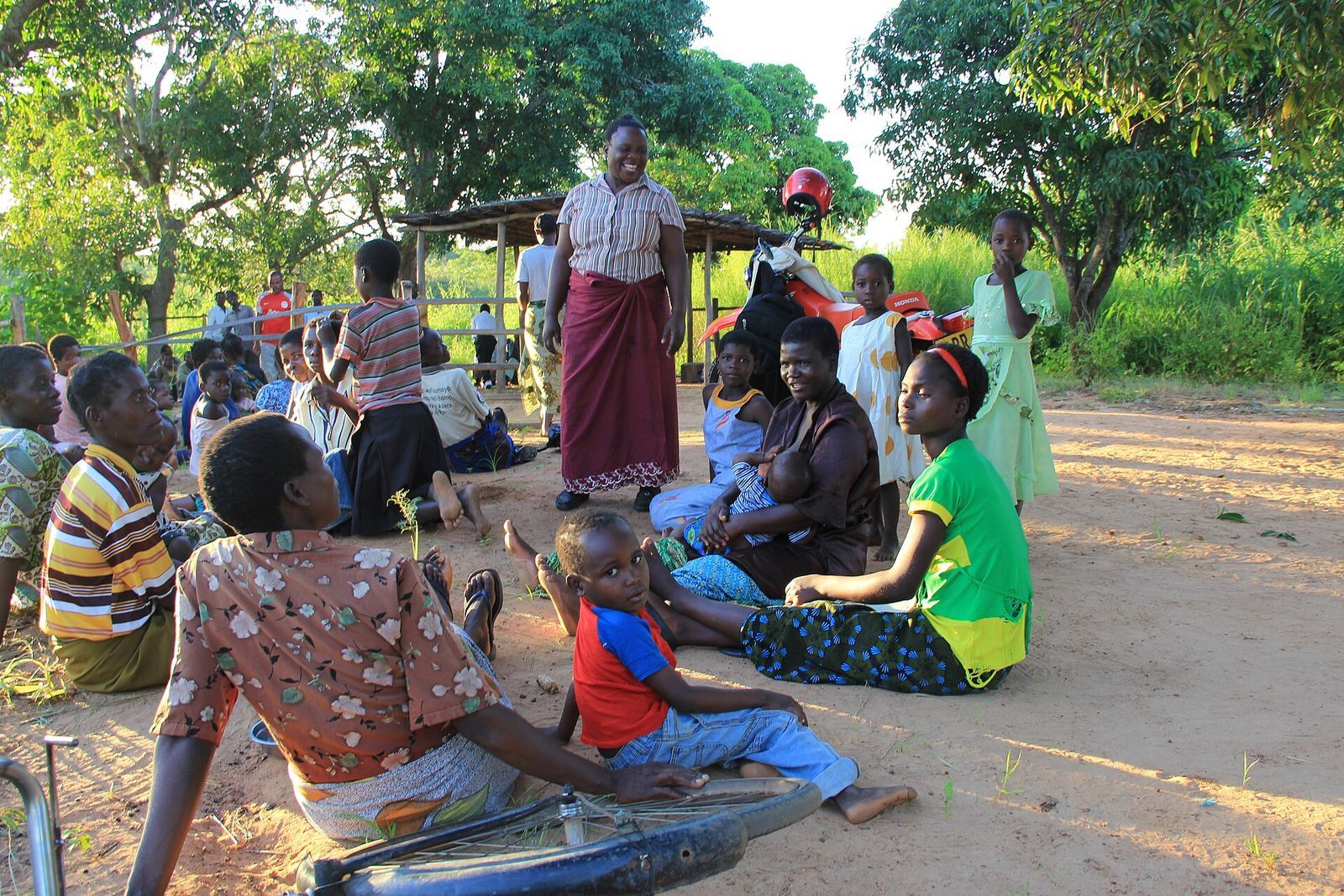
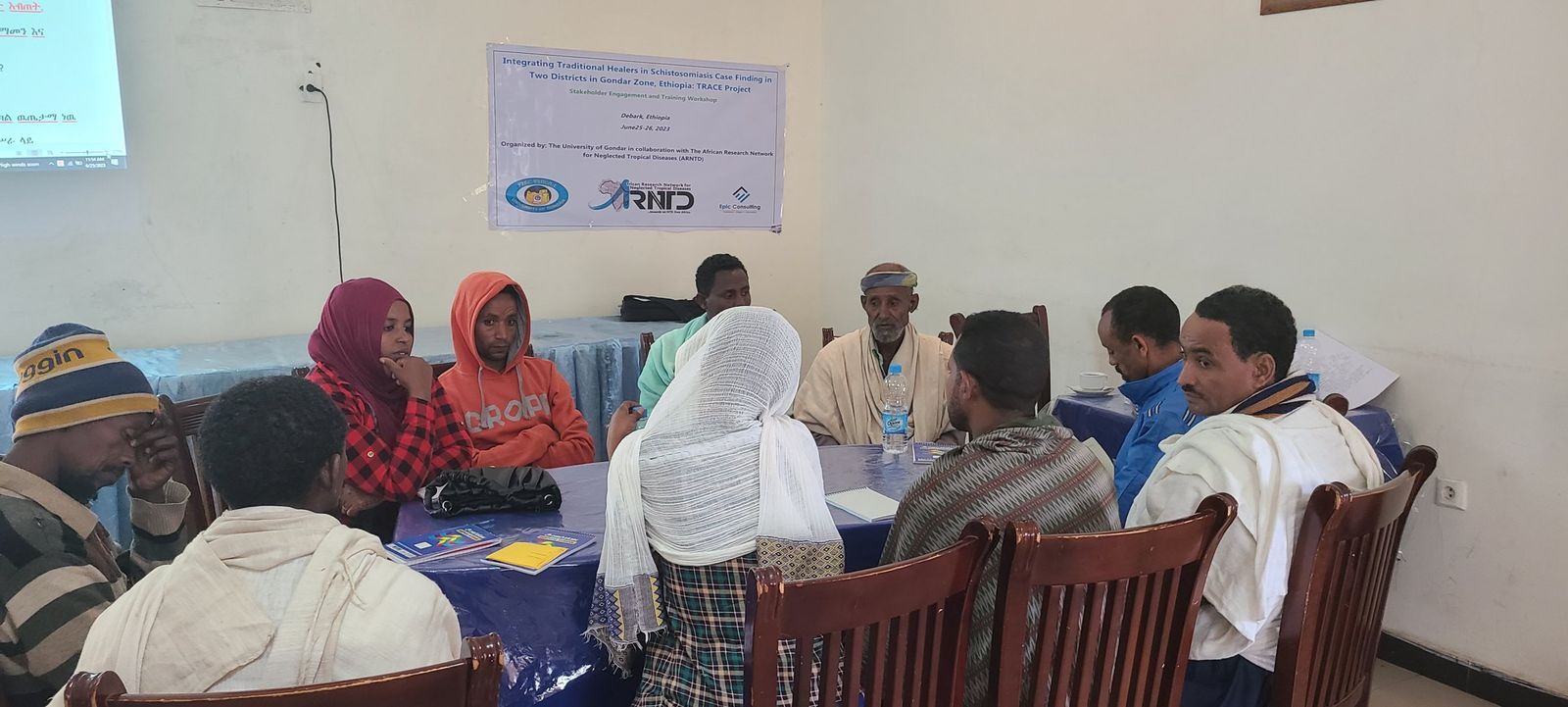
An approved protocol with pre-registered analysis plan, ethics and national regulatory clearance and trial registration; a validated trial database and randomisation module; and an independent data safety monitoring board and endpoint adjudication committee. Community engagement runs alongside, with an advisory board, low-literacy Amharic materials and community forums.