EPIC Health Systems: Economic, Policy, and Innovation Centre for Health Systems
Economic, Policy, and Innovation Centre for Health Systems.
We work at the intersection of evidence, policy and practice.
An Ethiopian-headquartered research, advisory and training institute, founded in 2018, helping governments, development partners and implementers build high-functioning, resilient and equitable health systems.
- 01EvidenceWe generate the evidence that informs health-system design.
- 02PolicyWe translate that evidence into actionable policy.
- 03PracticeWe innovate the tools and approaches that turn policy into practice at scale.
Our core capabilities.
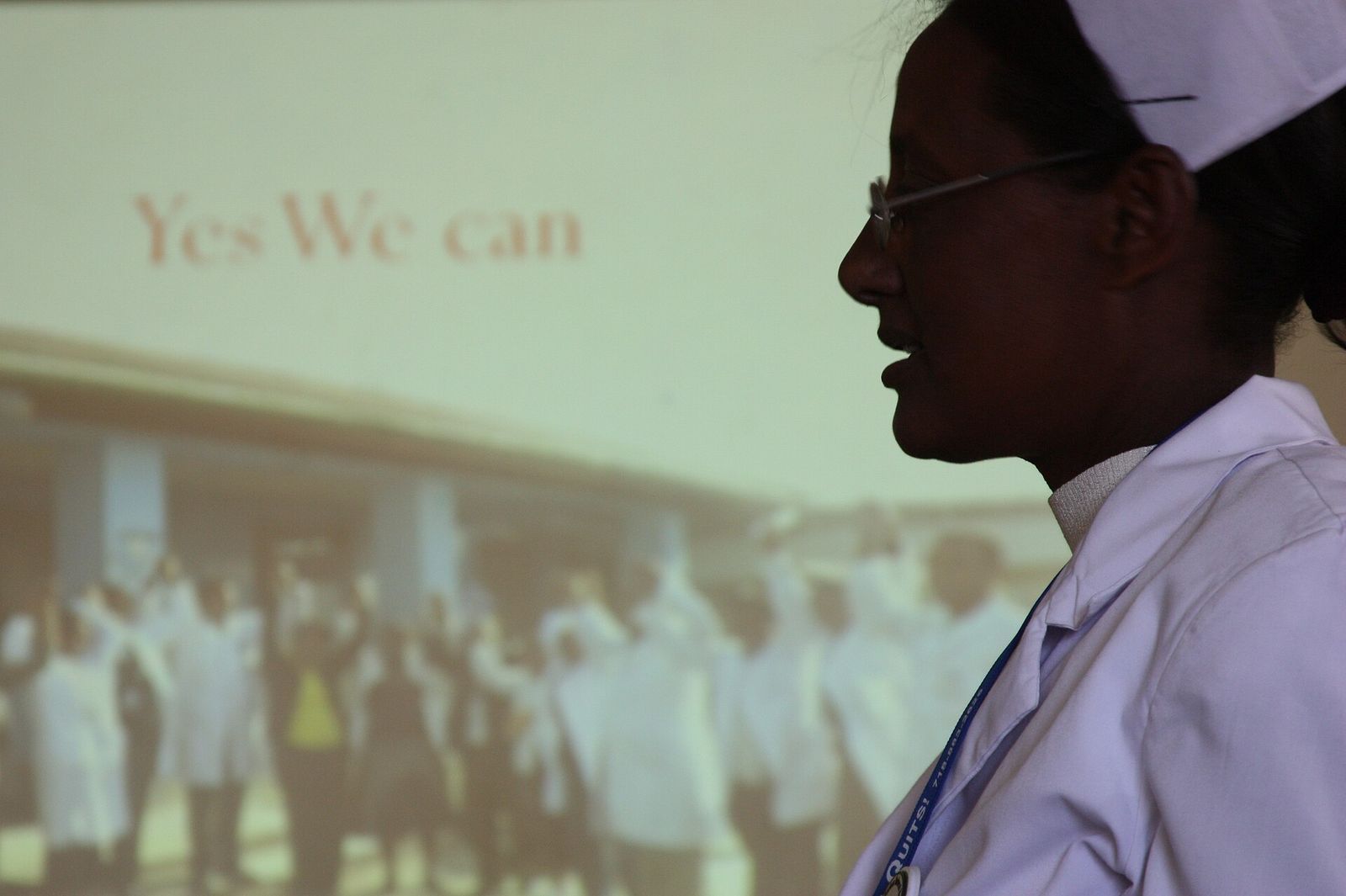
Health financing that serves people: how resources are raised, pooled, allocated, and spent.
We combine rigorous health economics with a practical understanding of how reforms are adopted and sustained, helping governments and partners design and evaluate the mechanisms that shape financing and governance.
Explore Health financing & governance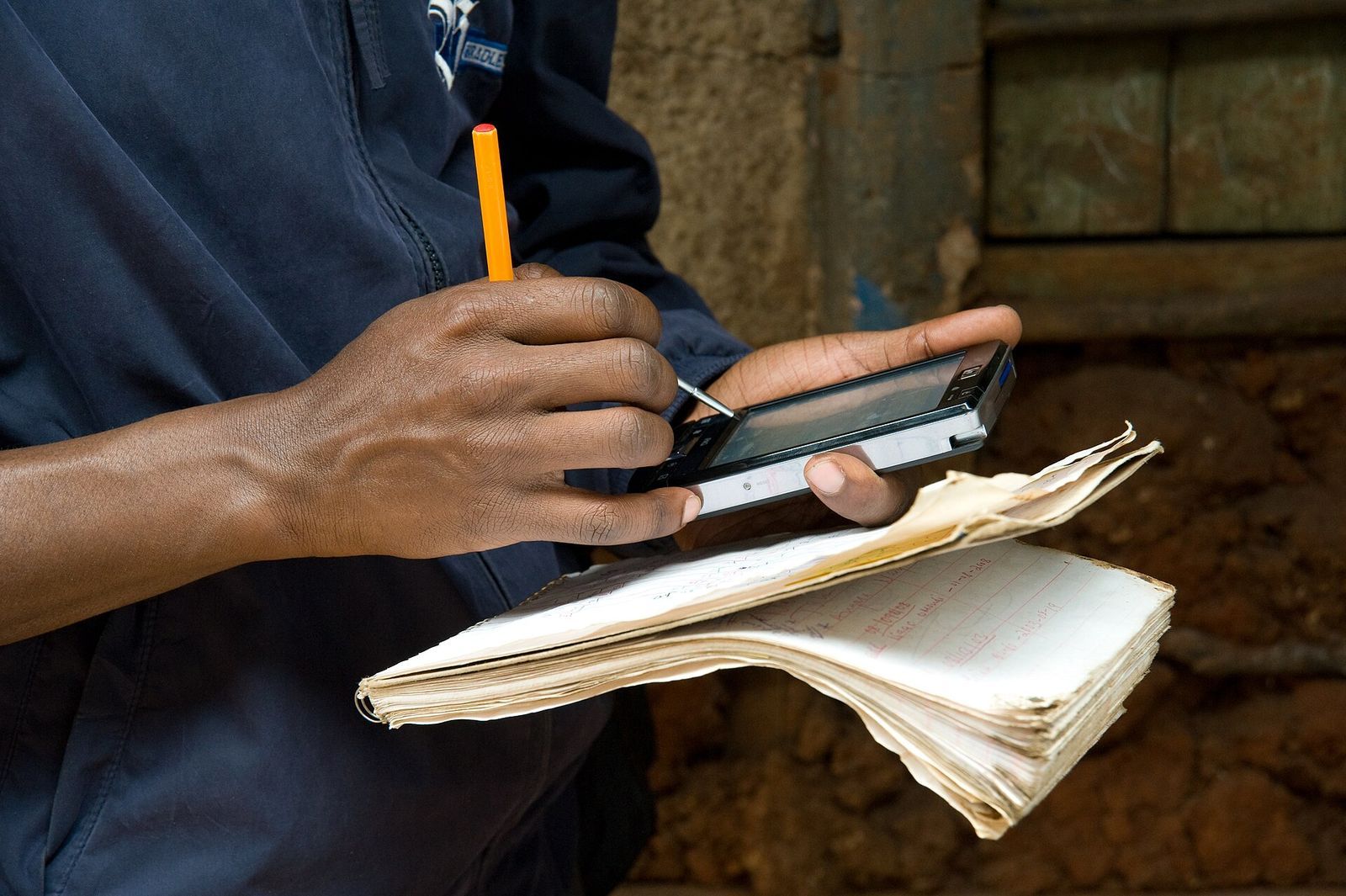
Using data, analytics, and AI to strengthen frontline care and health-system decision-making in low-resource settings.
We design, evaluate, and support digital health solutions that work within the realities of primary health care (intermittent connectivity, frontline workloads, and national reporting requirements) and put evidence directly into the hands of the people delivering care.
Explore Digital health, AI & innovation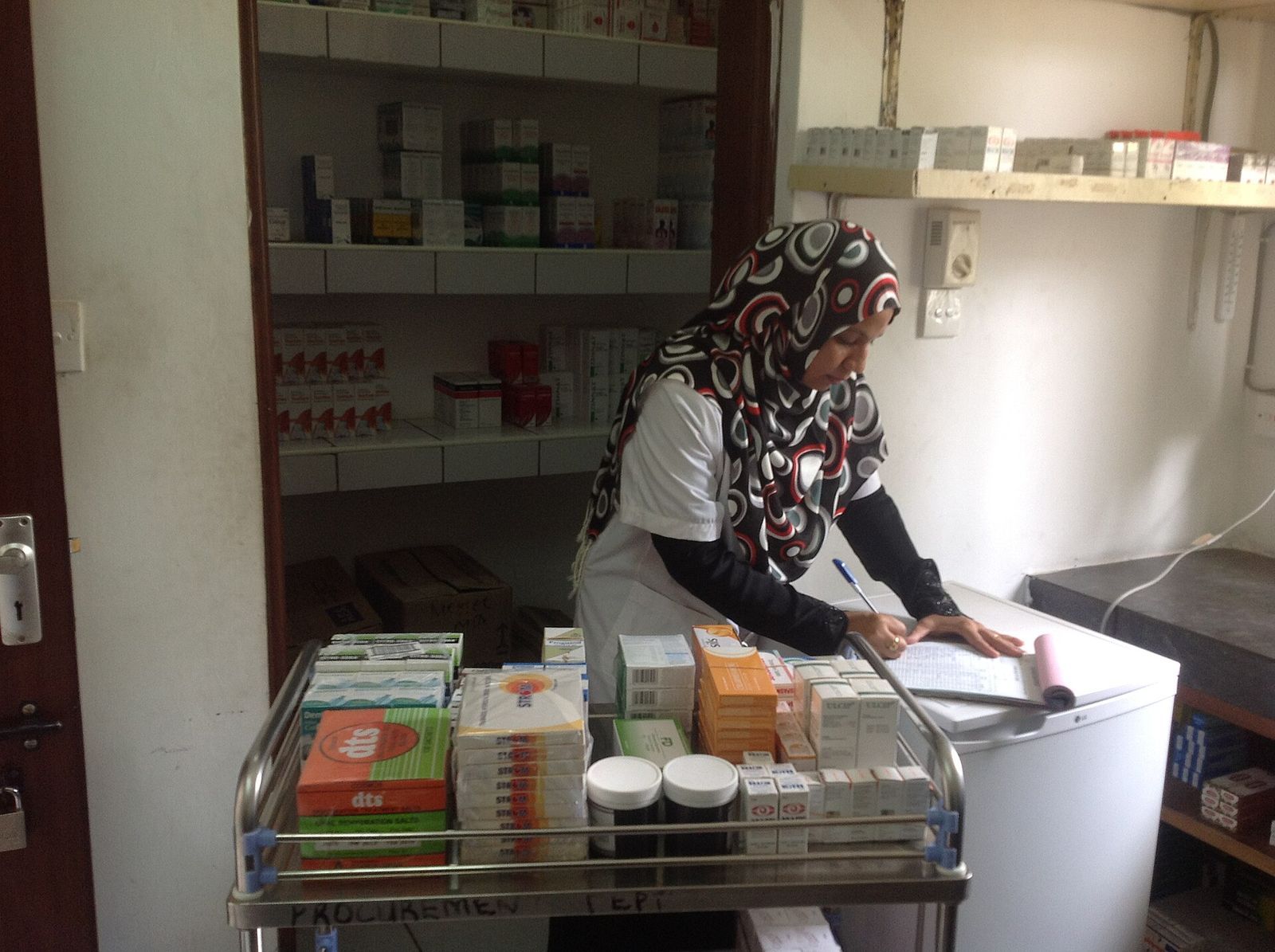
Reliable, affordable access to essential medicines and health products.
We bring health-economics and data-science methods to supply-chain questions, identifying cost drivers and setting out practical options for efficiency and sustainability across the pharmaceutical system.
Explore Pharmaceutical & supply chain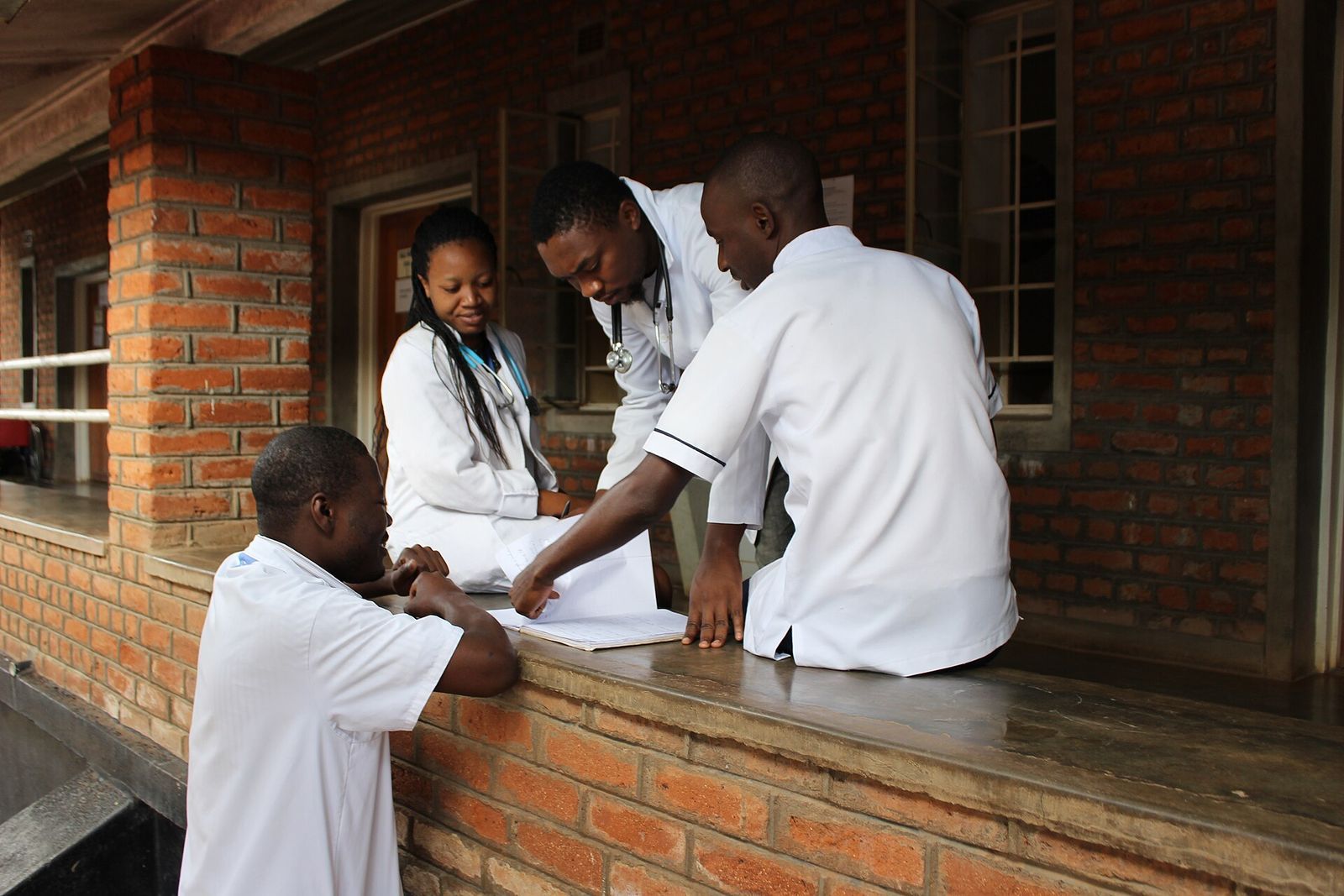
Generating and translating evidence to inform how health systems are designed, reformed, and governed.
We study not only what works, but what it takes to adopt and sustain it, combining implementation and evaluation science with political-economy analysis to help decision-makers weigh options and anticipate the path to reform.
Explore Health policy & systems research
Understanding and shifting the behaviours and social norms that shape health.
Through our Behavioural Research Unit, we design and evaluate social and behaviour-change interventions grounded in evidence and local context, working with communities, providers, and policymakers to improve health-seeking behaviour and service uptake.
Explore Social & behavioural researchOneChart and ASSIST
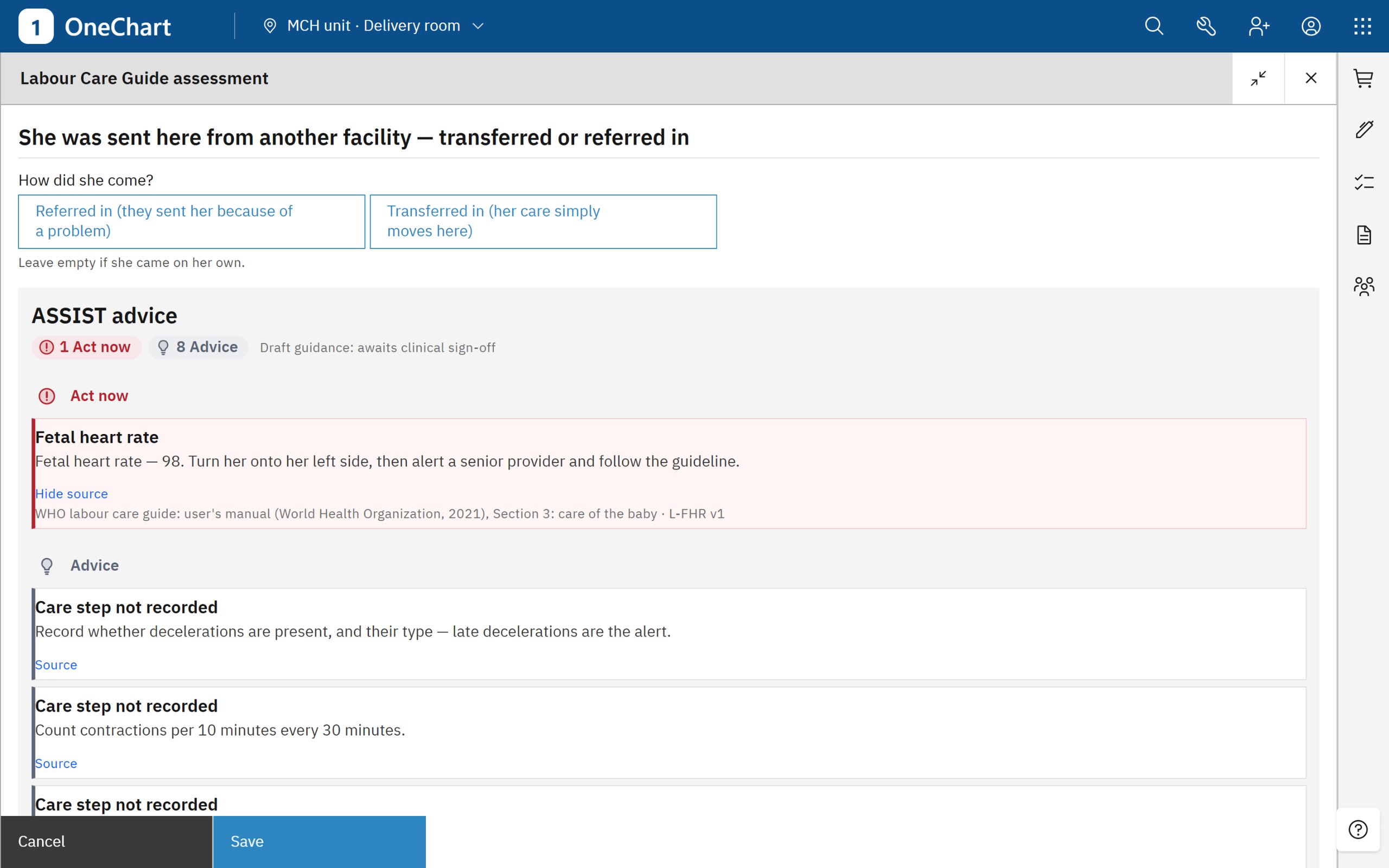
OneChart is an electronic medical record for primary health care, built on OpenMRS. ASSIST (previously ADHERE+) is the AI decision-support layer inside it: it checks each entry against clinical guidelines, shows the source of every alert, and adds machine-learning risk predictions as an aid to the health worker's judgement.
Selected engagements.
Projects with governments, multilateral agencies, and funders across sub-Saharan Africa and beyond.
 Ongoing
Health financing & governance · Cordaid
Healthcare Quality in PBF vs Non-PBF Facilities
A comprehensive, multicentre, mixed-methods evaluation comparing the quality of care in Performance-Based Financing (PBF) and non-PBF facilities in Ethiopia, examining whether tying facility financing to verified…
February 2026 – present Read more Ongoing
Health financing & governance · Alliance for HPSR
Blended Provider Payment for Primary Health Care
A nationwide mixed-methods evaluation of blended provider-payment models for Ethiopia's primary health care reform, assessing how payment design shapes efficiency, provider behaviour, and access.
July 2025 – present Read more Ongoing
Health financing & governance · International Vaccine Institute
Investment Case for Ethiopia’s Vaccine Ecosystem: ACHIEVE Africa 2.0
With the International Vaccine Institute, a comprehensive economic and return-on-investment analysis building the investment case for strengthening Ethiopia's vaccine ecosystem, from clinical evaluation to regulatory systems…
April 2025 – present Read moreResearch that informs decisions.
The commitments, budgetary demands and institutional conditions of the bilateral health agreements between the United States and 25 African governments.