Community partnership to reach zero-dose children
An implementation study in pastoralist districts of Somali region, designing and evaluating a model that pairs mobile health teams and health extension workers with community immunisation agents to reach children who have never received a vaccine.
Challenge
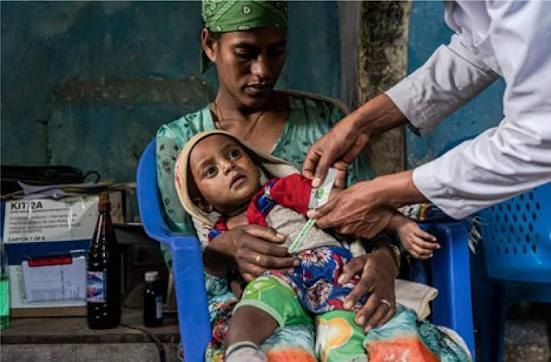
Ethiopia has an estimated 1.2 million unvaccinated children and ranks fourth globally for zero-dose children, around two thirds of them in hard-to-reach and pastoralist communities. In Somali region roughly 65 per cent of people cannot reach a health facility within an hour's walk, and seasonal movement for water and grazing makes static services poorly suited to pastoral life. There is no local evidence on whether pairing community structures with the formal health system works in these settings, or at what cost.
Approach
An implementation study across four woredas in Fafaan zone, structured throughout by the Consolidated Framework for Implementation Research. The model is co-designed through participatory action research and facilitated community and health-system dialogues, triangulating surveillance, routine service data, coverage survey data and key informant interviews. Evaluation is mixed-methods with a baseline, midline and endline panel survey using lot quality assurance sampling, alongside interviews, focus groups and structured observation, and a cost-effectiveness analysis against business as usual from a health system perspective.
Progress
A co-designed partnership model with a household enumeration and referral pathway linking community immunisation agents to health posts and woreda health offices, a community score card and joint action plans for social accountability, and a trained cadre of woreda immunisation staff, mobile health teams, health extension workers and community agents.
More in Health policy & systems research.
 Ongoing
Health policy & systems research
Primary care for rheumatic heart disease
Rheumatic heart disease is preventable, yet it remains a leading cause of early heart failure in Ethiopia. This project assesses what primary health care providers in…
February 2026 – January 2027 Read more Ongoing
Health policy & systems research
Mental health care for people with skin NTDs, delivered by non-specialists
People with leprosy, lymphatic filariasis and other skin NTDs face stigma and psychological distress, and mental health care is rarely available at primary level in rural…
February 2026 – January 2027 Read more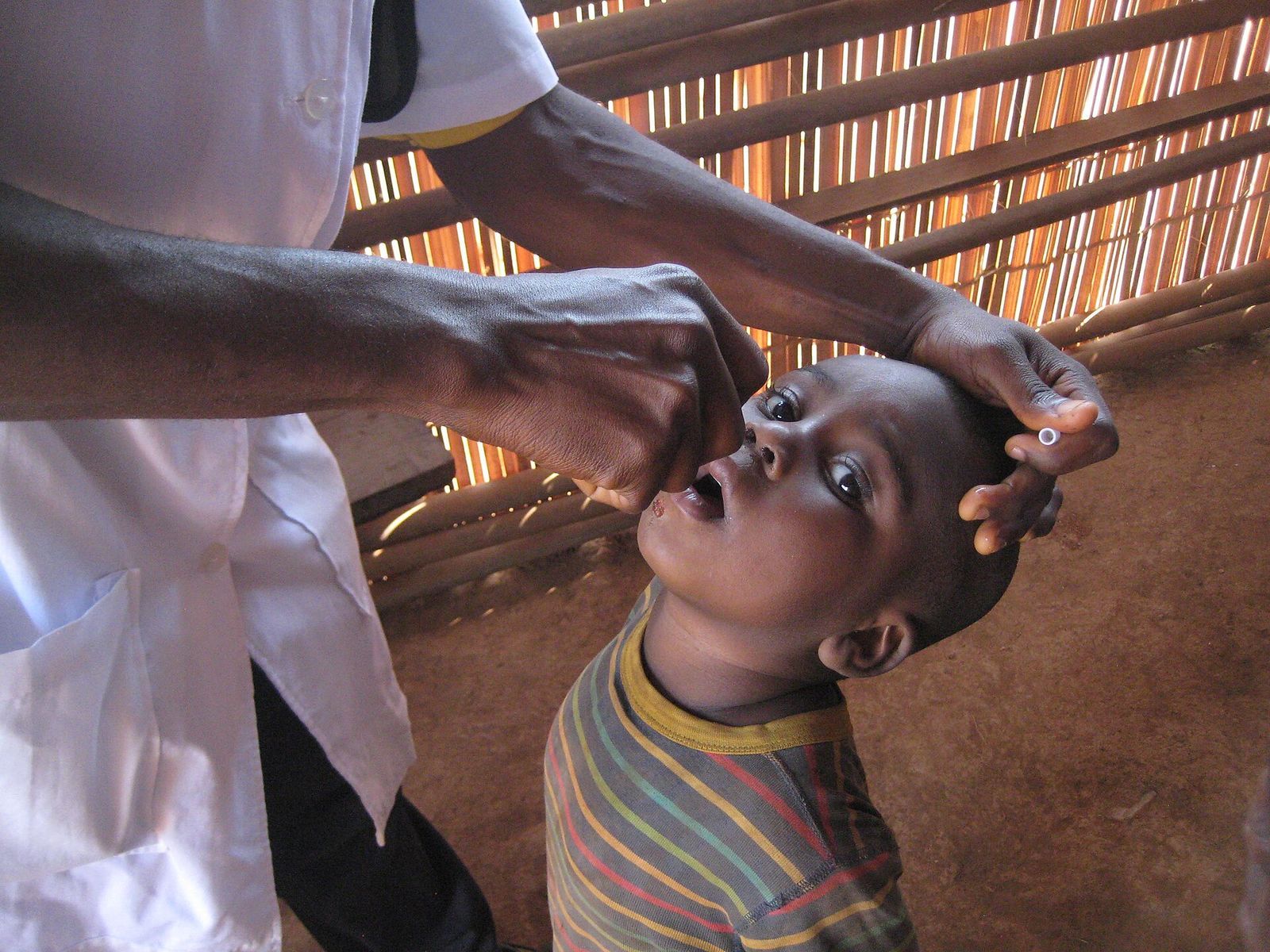 Ongoing
Health policy & systems research
Outcomes of cataract surgery for children
Children who have cataract surgery need good follow-up to keep their vision, and many families face long journeys and costs to get it. This project measures…
February 2026 – January 2027 Read moreWork with us.
We take enquiries from governments, development partners, research institutions and implementers on research, advisory and training engagements.