The health and economic case for eliminating onchocerciasis
This project modelled the health and economic effects of moving from control to elimination of onchocerciasis in Ethiopia.
Challenge
Onchocerciasis affects some of Ethiopia’s most underserved communities. Elimination needs more investment in the short term, and its return had not been estimated for Ethiopia.
Approach
A state-transition model compared continued control, targeted elimination and national elimination from 2025 to 2045, using epidemiological, cost and population data. Where local data were missing, inputs came from WHO-CHOICE, the Global Burden of Disease study and similar settings.
What we delivered
Estimates of health and economic gains to inform elimination policy, and a base for subnational modelling.
Outcomes
Elimination produced large reductions in severe itching, low vision and blindness, lower out-of-pocket spending and smaller productivity losses than continued control. The result held across assumptions on treatment cost and prevalence, but was sensitive to programme coverage and community engagement.
More in Health financing & governance.
 Ongoing
Health financing & governance · Cordaid
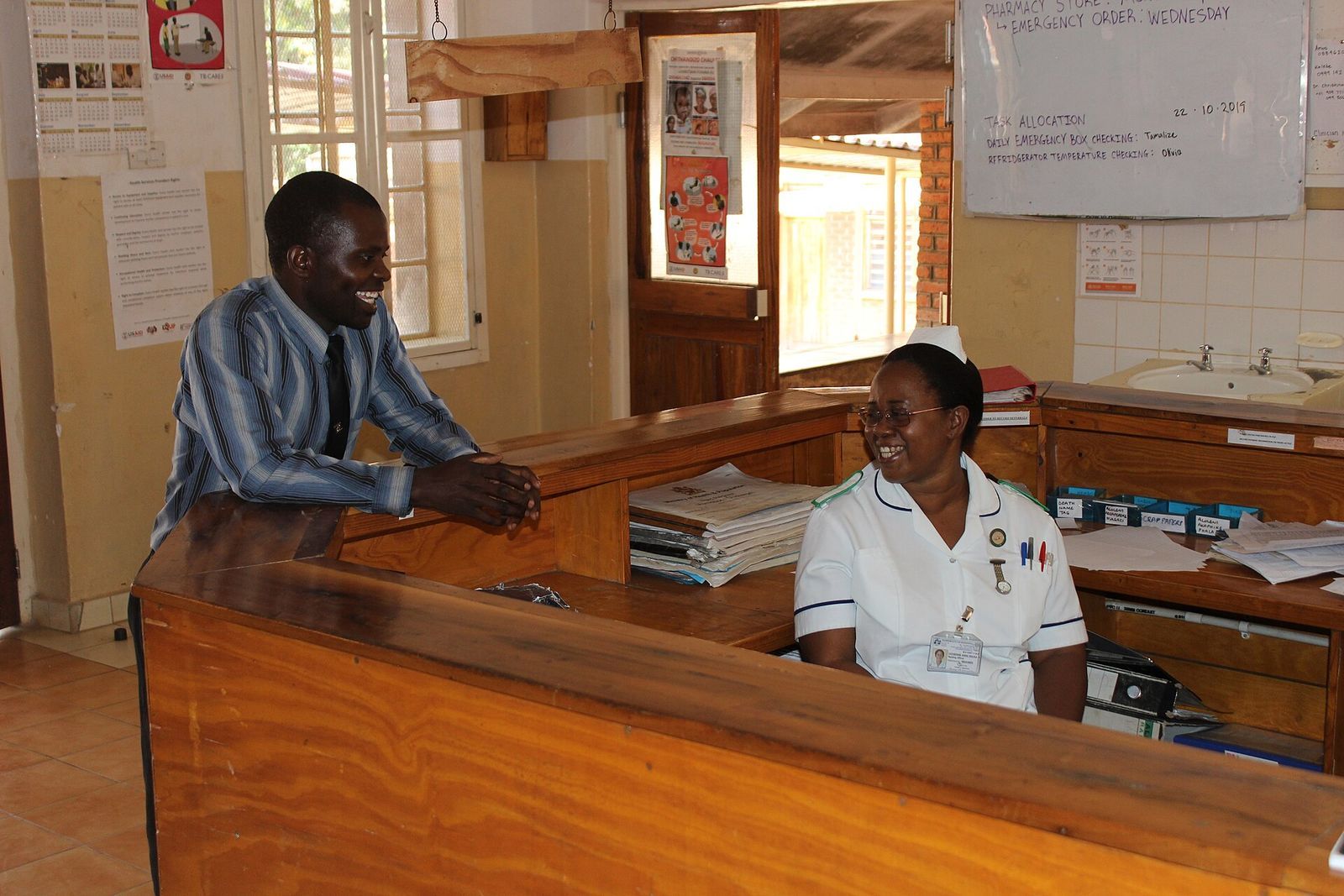
Healthcare Quality in PBF vs Non-PBF Facilities
A comprehensive, multicentre, mixed-methods evaluation comparing the quality of care in Performance-Based Financing (PBF) and non-PBF facilities in Ethiopia, examining whether tying facility financing to verified…
February 2026 – present Read more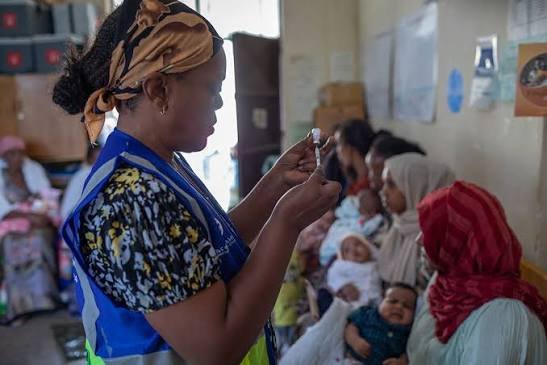 Ongoing
Health financing & governance · Amref Health Africa
Provider payment assessment for primary health care
A three-region field assessment of how Ethiopia's existing provider payment mechanisms function in practice, adapting an international assessment framework to the Ethiopian context to inform the…
December 2025 – June 2026 Read more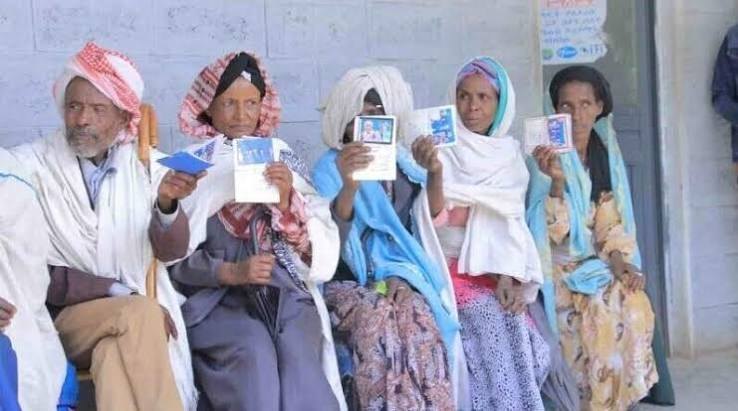 Ongoing
Health financing & governance · Alliance for HPSR
Blended Provider Payment for Primary Health Care
A nationwide mixed-methods evaluation of blended provider-payment models for Ethiopia's primary health care reform, assessing how payment design shapes efficiency, provider behaviour, and access.
July 2025 – present Read moreWork with us.
We take enquiries from governments, development partners, research institutions and implementers on research, advisory and training engagements.