Behavioural strategies to raise HPV vaccine uptake
HPV vaccination rates remain low in many rural parts of Ethiopia. This project looked at the behavioural, social and practical reasons, and at what could be done about them.
Challenge
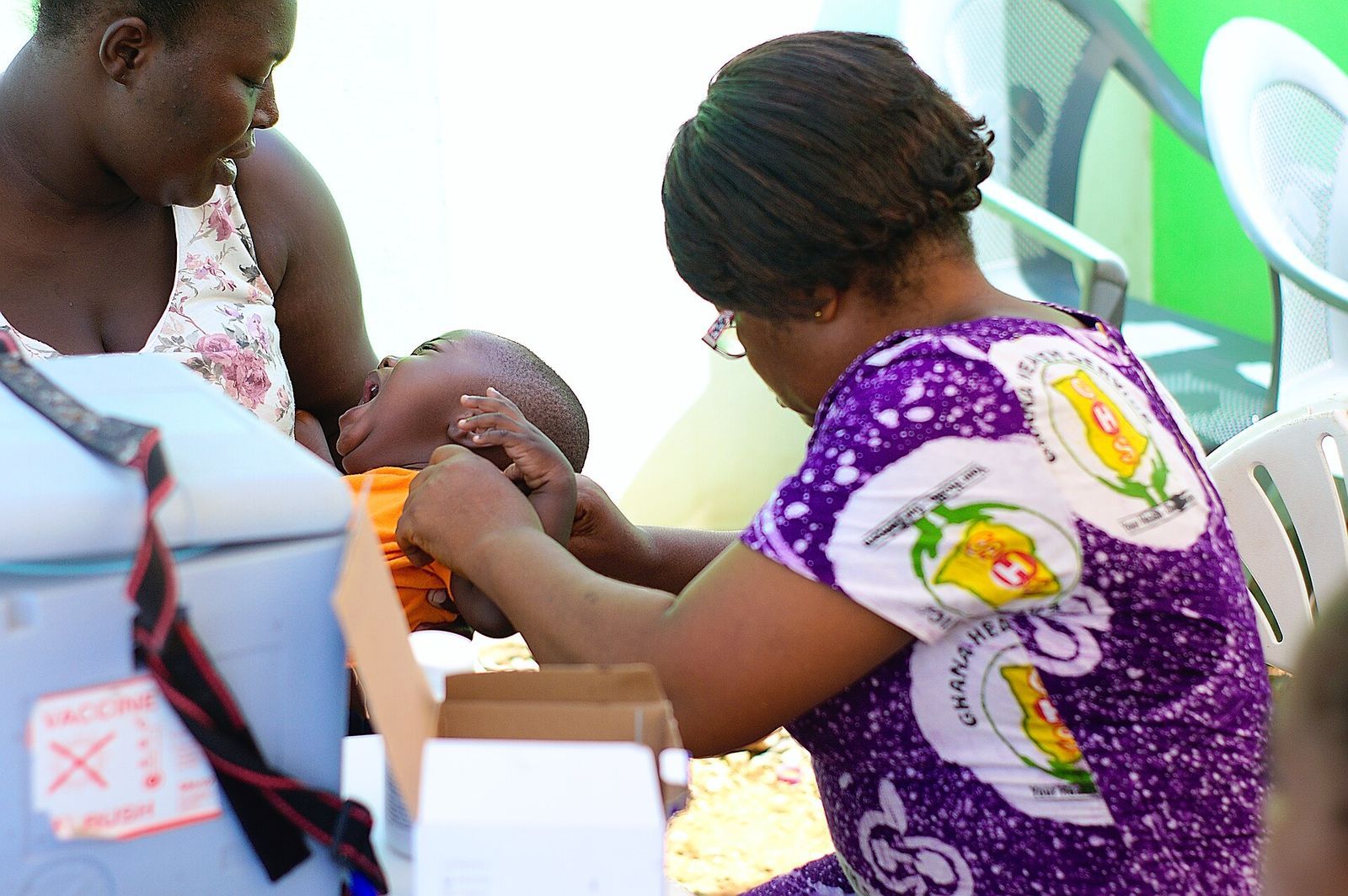
Cervical cancer is one of the most serious threats to women’s health in Ethiopia, and the HPV vaccine prevents most cases. Uptake in rural and hard-to-reach communities lags behind.
Approach
Sixty in-depth interviews across four rural districts with eligible girls, parents and caregivers, health workers, primary care managers and immunisation staff. Analysis used the WHO Behavioural and Social Drivers framework and the Consolidated Framework for Implementation Research.
What we delivered
An intervention concept built on provider training, community dialogue and adapted service delivery, a manuscript in preparation, and a summary shared with regional immunisation staff.
Outcomes
Low awareness was the main barrier, and misinformation about side effects and fertility added to it. Health workers were trusted but often lacked up-to-date information. Sessions held during school hours or far from home made access harder. Encouragement from teachers, health workers, local leaders and vaccinated peers made consent more likely.
More in Social & behavioural research.
 Ongoing
Social & behavioural research
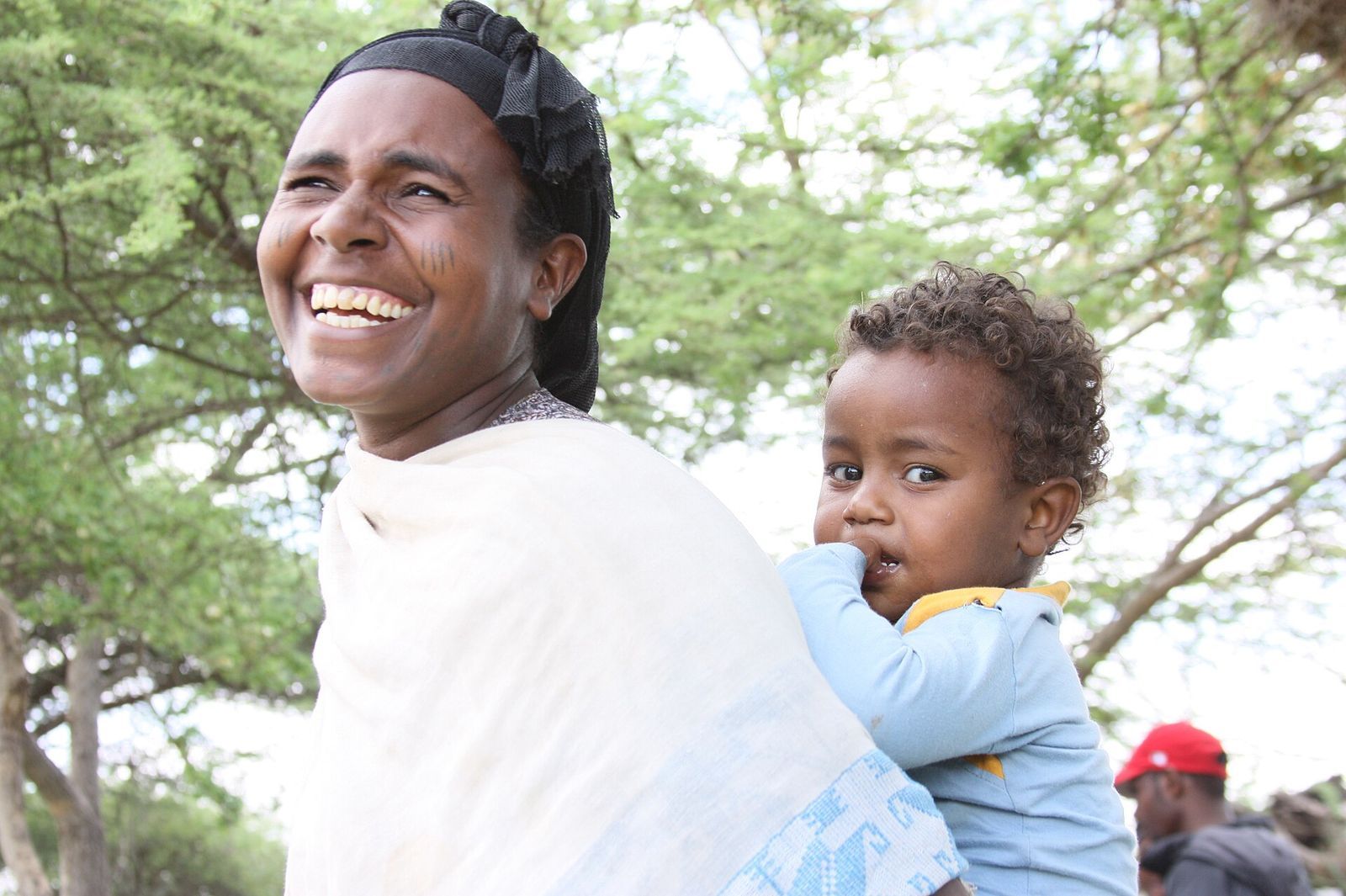
HPV self-sampling for women in rural areas
Most women in rural Ethiopia have never been screened for cervical cancer. HPV self-sampling could make screening easier to reach and more private. This project asks…
February 2026 – January 2027 Read more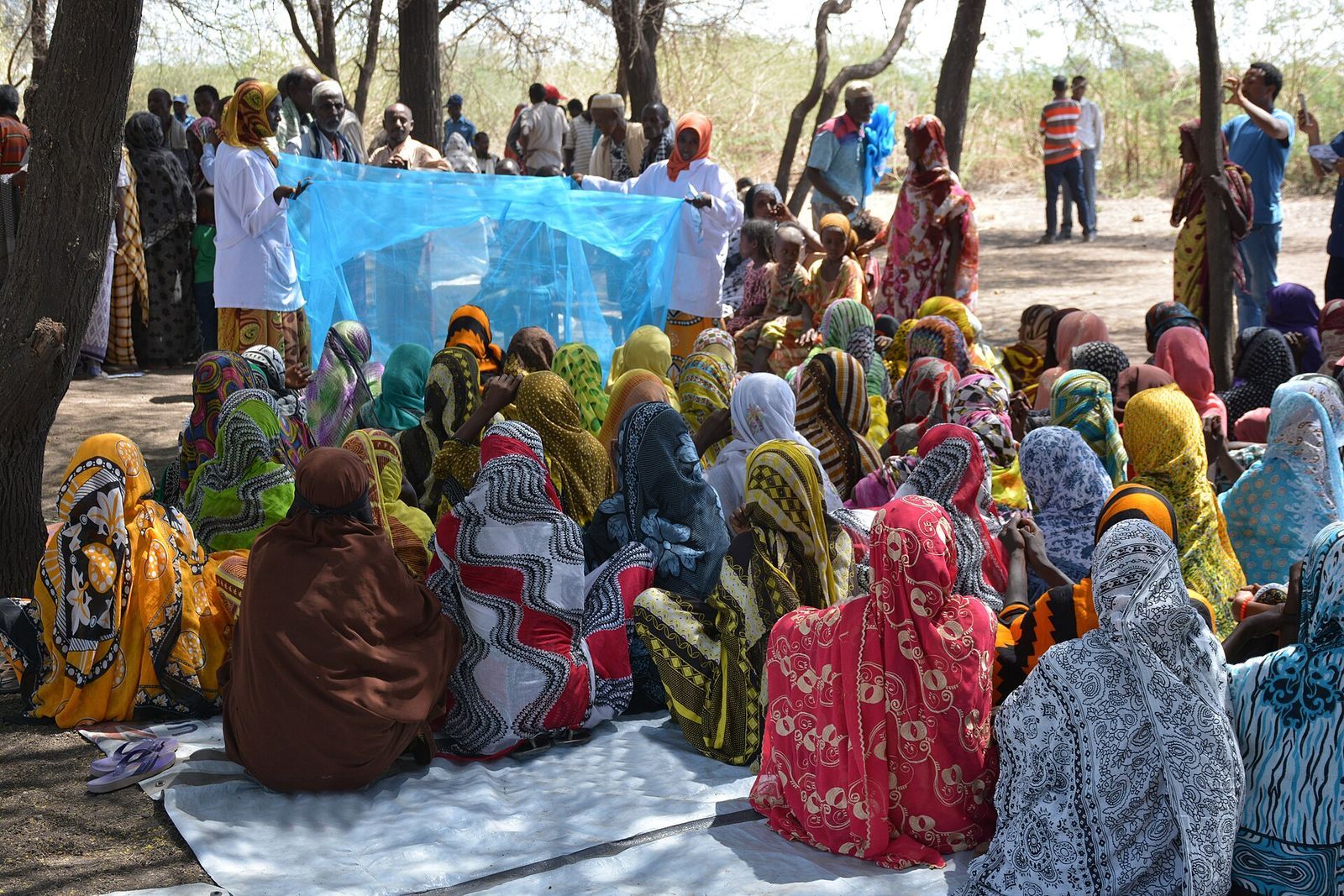 Ongoing
Social & behavioural research
Female genital schistosomiasis: what women and health workers know
Female genital schistosomiasis damages the reproductive organs of women and girls and is often mistaken for a sexually transmitted infection. No study in Ethiopia has looked…
February 2026 – January 2027 Read more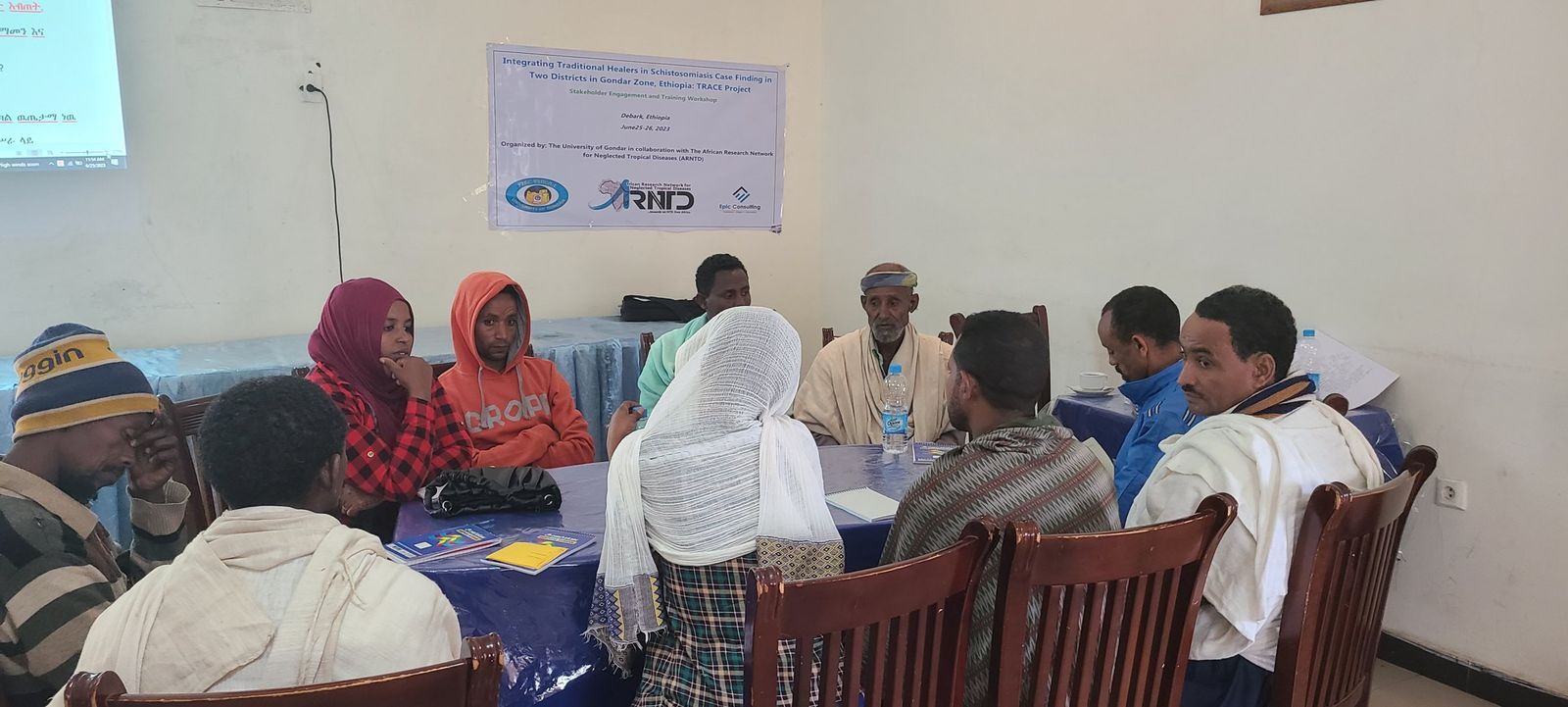 Ongoing
Social & behavioural research
Gender and social inclusion in NTD programmes
NTDs fall hardest on women, people with disabilities and people in remote areas, but gender and inclusion get little attention in how NTD programmes are designed…
February 2026 – January 2027 Read moreWork with us.
We take enquiries from governments, development partners, research institutions and implementers on research, advisory and training engagements.