Barriers to mental health care for people with leprosy and cutaneous leishmaniasis
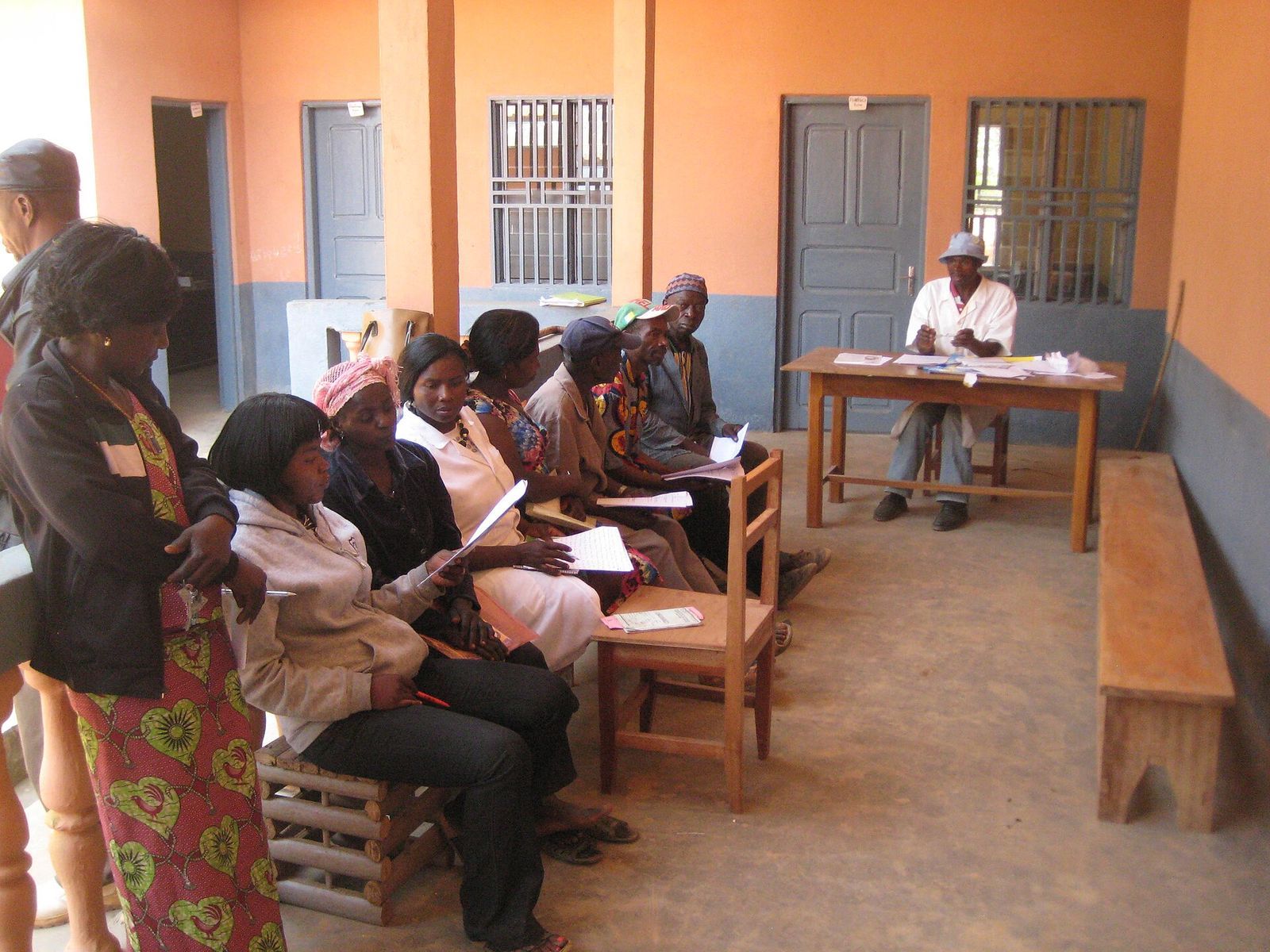
Leprosy and cutaneous leishmaniasis are disfiguring and heavily stigmatised, and they affect mental health. This project looked at how people living with them seek mental health care in rural Ethiopia, and what stops them.
Challenge
Little was known about the mental health needs of people with these diseases or how they use the health system when in distress.
Approach
A mixed-methods implementation study. Interviews with patients, primary health care workers, NTD programme managers and mental health professionals were combined with quantitative measures of unmet need and access.
What we delivered
A manuscript in preparation and a concept note for piloting mental health screening in routine NTD care.
Outcomes
Stigma was the main barrier, and it extended to mental illness, which made help-seeking harder still. Patients and some health workers knew little about the links between NTDs and mental health, and many patients did not know services existed. Trained providers were scarce and referral pathways unclear. Health workers and managers were open to adding mental health screening to NTD care if given simple tools and training.
More in Social & behavioural research.
 Ongoing
Social & behavioural research
How parents seek care for children’s sore throat and fever
Sore throat and fever in children can signal serious infections such as strep throat, pneumonia or sepsis. This project looks at how parents in rural Kobo…
February 2026 – January 2027 Read more Ongoing
Social & behavioural research
HPV self-sampling for women in rural areas
Most women in rural Ethiopia have never been screened for cervical cancer. HPV self-sampling could make screening easier to reach and more private. This project asks…
February 2026 – January 2027 Read more Ongoing
Social & behavioural research
Female genital schistosomiasis: what women and health workers know
Female genital schistosomiasis damages the reproductive organs of women and girls and is often mistaken for a sexually transmitted infection. No study in Ethiopia has looked…
February 2026 – January 2027 Read moreWork with us.
We take enquiries from governments, development partners, research institutions and implementers on research, advisory and training engagements.