Female genital schistosomiasis: what women and health workers know
Female genital schistosomiasis damages the reproductive organs of women and girls and is often mistaken for a sexually transmitted infection. No study in Ethiopia has looked at what women or health workers know about it. This project does that in two districts of northwest Ethiopia.
Challenge
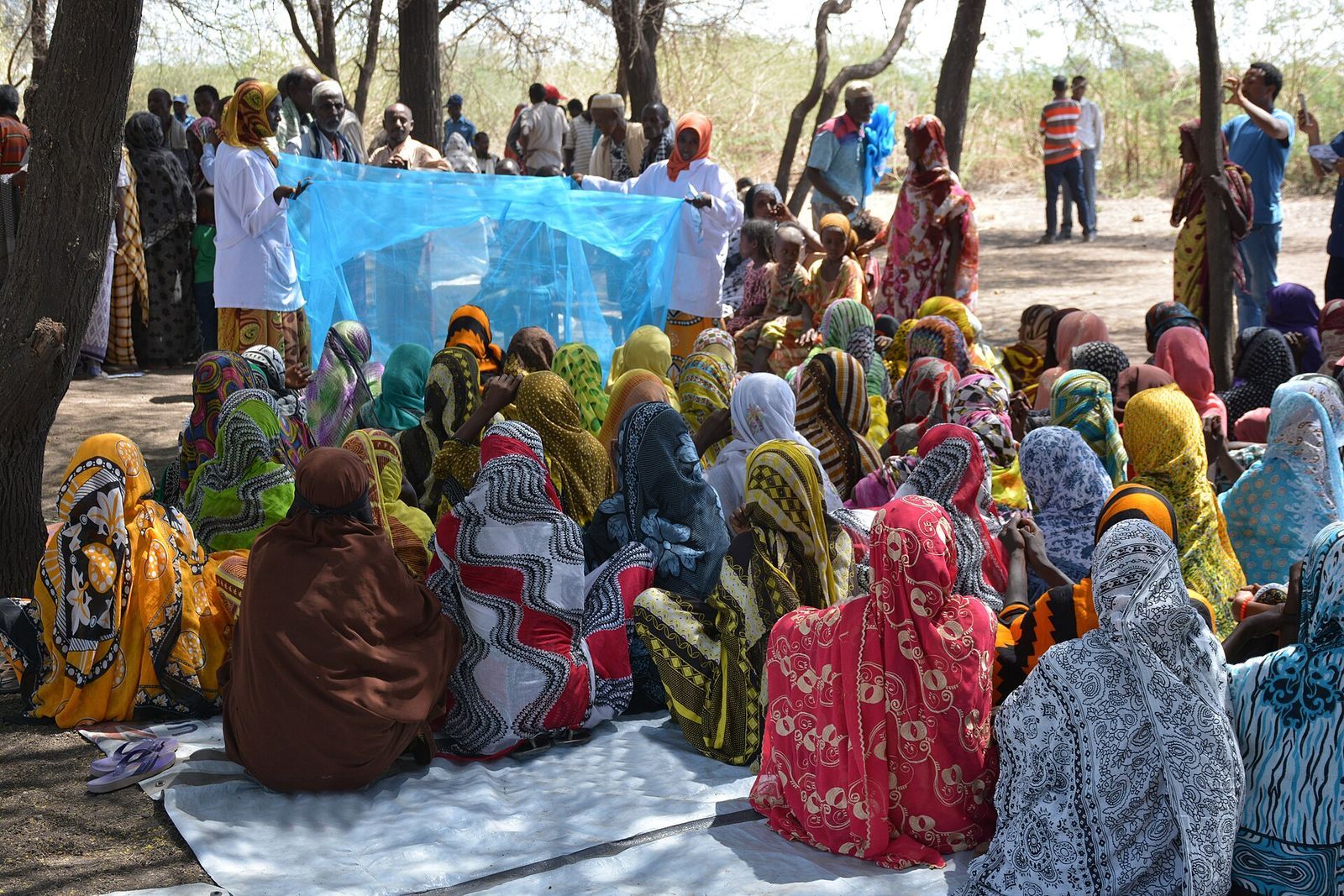
FGS is missing from surveillance, reproductive health policy and training curricula. Women in rural northwest Ethiopia are often in contact with infested water through farming, washing and water collection, and access to reproductive health care is limited.
Approach
A two-phase mixed-methods study in Adi Arkai and Zarima. A survey of about 420 women of reproductive age and 65 to 80 frontline providers in eight facilities is followed by interviews on how women and providers recognise and respond to symptoms.
Progress
The protocol and questionnaires are final and translated, and the application is with the ethics committee. District health offices, regional NTD focal persons and facility heads have been consulted, and electronic data capture is set up on tablets.
Expected outputs
Baseline data on knowledge, attitudes and practice, the gaps in awareness and diagnosis, and material to support FGS care within reproductive health and NTD programmes.
More in Social & behavioural research.
 Ongoing
Social & behavioural research
HPV self-sampling for women in rural areas
Most women in rural Ethiopia have never been screened for cervical cancer. HPV self-sampling could make screening easier to reach and more private. This project asks…
February 2026 – January 2027 Read more Ongoing
Social & behavioural research
Gender and social inclusion in NTD programmes
NTDs fall hardest on women, people with disabilities and people in remote areas, but gender and inclusion get little attention in how NTD programmes are designed…
February 2026 – January 2027 Read more Ongoing
Social & behavioural research
How parents seek care for children’s sore throat and fever
Sore throat and fever in children can signal serious infections such as strep throat, pneumonia or sepsis. This project looks at how parents in rural Kobo…
February 2026 – January 2027 Read moreWork with us.
We take enquiries from governments, development partners, research institutions and implementers on research, advisory and training engagements.