Traditional healers in schistosomiasis case finding
A mixed-methods study in two conflict-affected districts of North Gondar testing whether training traditional healers to recognise and refer suspected schistosomiasis increases case detection in communities the formal health system struggles to reach.
Challenge
Conflict, displacement and flooding in northern Ethiopia have damaged health and water infrastructure and threaten a decade of progress against neglected tropical diseases. North Gondar carries one of the country's heaviest NTD burdens. Ethiopia's third national NTD strategic plan puts conflict-affected populations at its centre, but there is little evidence on how programmes can reach them.
Approach
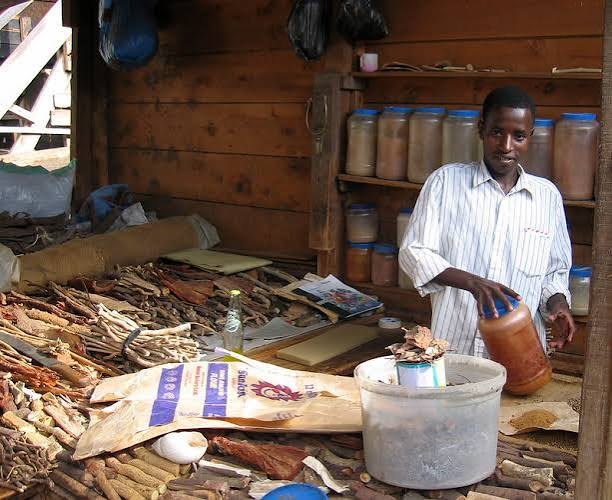
A quasi-experimental pre-post assessment combined with qualitative interviews across two districts, Adiarkay and Zarima. Fourteen traditional healers were trained alongside health extension workers and district health managers to recognise schistosomiasis and refer suspected cases, using a purple-card system collected at health centres so referral completion could be traced. Effect was measured against the four months before the intervention; twenty-one in-depth interviews with healers, health workers, and religious and community leaders were analysed thematically.
What we delivered
An approved protocol, an Ethiopia-specific implementation manual with the referral system, a training curriculum, and a working healer-to-health-centre referral mechanism across two districts. Quantitative and qualitative evidence on what changed and on the barriers to sustaining it, reported to the funder and to a project evaluation workshop in Addis Ababa.
Outcomes
Suspected cases reported to health centres rose from 203 in the four months before the intervention to 391 during implementation, and confirmed cases from 29 to 74. Nine healers referred 152 people for diagnosis, of whom 39 were confirmed positive, a positivity rate of 25.6 per cent. The change in the relationship between suspected and confirmed cases was not statistically significant. Of the fourteen healers trained, nine completed implementation; two withdrew because of active armed conflict and three were lost to follow-up. Interviews identified the absence of formal recognition for traditional healers as the principal barrier, and community trust in them as the principal enabler.
More in Health policy & systems research.
 Ongoing
Health policy & systems research
Health facility readiness for dengue in Afar
Afar has had repeated dengue outbreaks since 2023, but no one has assessed whether health facilities and their staff are ready to detect and manage cases.…
February 2026 – January 2027 Read more Ongoing
Health policy & systems research
Primary care for rheumatic heart disease
Rheumatic heart disease is preventable, yet it remains a leading cause of early heart failure in Ethiopia. This project assesses what primary health care providers in…
February 2026 – January 2027 Read more Ongoing
Health policy & systems research
Mental health care for people with skin NTDs, delivered by non-specialists
People with leprosy, lymphatic filariasis and other skin NTDs face stigma and psychological distress, and mental health care is rarely available at primary level in rural…
February 2026 – January 2027 Read moreWork with us.
We take enquiries from governments, development partners, research institutions and implementers on research, advisory and training engagements.