Health Tax (Tobacco) Modelling & Policy Analysis
Fiscal and health-impact modelling together with policy and political-economy analysis of tobacco taxation in Ethiopia: evidence to support domestic resource mobilisation and tobacco control, within a multi-country research programme.
Challenge
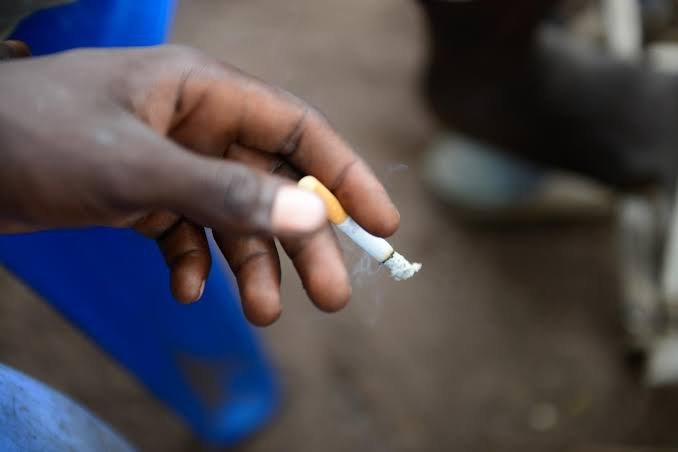
Tobacco taxation is among the most effective instruments available for both reducing consumption and raising domestic revenue, but raising it is a political contest rather than a technical exercise. Ethiopia's excise reform put public health advocates against a tobacco industry with its own economic case, and the outcome turned on which framing prevailed.
Approach
Two strands. Fiscal and health-impact modelling of tobacco tax scenarios, to establish what changes in price would mean for consumption and for revenue. Alongside it, a mixed-methods policy and political economy analysis of how the excise proclamation passed, drawing on policy documents and media coverage, transcripts of parliamentary debate, and interviews with the stakeholders involved, examining each actor's position, power and framing.
What we delivered
Modelled estimates to support domestic resource mobilisation and tobacco control, and a published analysis of the policy process itself, within a multi-country research programme on health taxes.
Outcomes
The analysis found that public health advocates prevailed by discrediting the tobacco industry's cost-benefit claims, arguing that the financial, psychological and lost-productivity costs of tobacco use outweigh any tax revenue it generates. Building an epistemic community and engaging policy entrepreneurs across government agencies and civil society was decisive in creating a united front. The work is published in BMJ Global Health.
More in Health policy & systems research.
 Ongoing
Health policy & systems research
Health facility readiness for dengue in Afar
Afar has had repeated dengue outbreaks since 2023, but no one has assessed whether health facilities and their staff are ready to detect and manage cases.…
February 2026 – January 2027 Read more Ongoing
Health policy & systems research
Primary care for rheumatic heart disease
Rheumatic heart disease is preventable, yet it remains a leading cause of early heart failure in Ethiopia. This project assesses what primary health care providers in…
February 2026 – January 2027 Read more Ongoing
Health policy & systems research
Mental health care for people with skin NTDs, delivered by non-specialists
People with leprosy, lymphatic filariasis and other skin NTDs face stigma and psychological distress, and mental health care is rarely available at primary level in rural…
February 2026 – January 2027 Read moreWork with us.
We take enquiries from governments, development partners, research institutions and implementers on research, advisory and training engagements.