Blended Provider Payment for Primary Health Care
A nationwide mixed-methods evaluation of blended provider-payment models for Ethiopia's primary health care reform, assessing how payment design shapes efficiency, provider behaviour, and access.
Challenge
Ethiopia's primary health care facilities are financed through four payment methods layered on top of one another rather than designed together: line-item budgeting, fee-for-service including out-of-pocket payment, community-based health insurance capitation, and performance-based financing. The result is a mix of incentives rather than an intentionally integrated model. Line-item budgets limit facility autonomy while fee-for-service risks cost escalation. After nearly a decade of experimentation the evidence on how these arrangements interact remains fragmented.
Approach
A sequential mixed-methods evaluation combining retrospective analysis of routine administrative data with key informant interviews, structured by the policy triangle of context, content, process and actors. Three arrangements are evaluated: capitation with line-item budgeting; performance-based financing with line-item budgeting and fee-for-service; and the concurrent operation of capitation and performance-based financing at the same health centres. Methods include interrupted time series, controlled interrupted time series and cross-sectional regression with regional fixed effects, drawing on insurance scheme performance data, routine health information system records and a decade-long facility panel.
Progress
A protocol cleared by the Ethiopian Public Health Association ethics committee, a mapping of blended payment arrangements with a data source inventory, piloted quantitative and qualitative instruments, three model-specific analyses with cleaned datasets, and a consolidated technical report on methods and results. Findings will appear here once the final report is with the commissioner.
More in Health financing & governance.
 Ongoing
Health financing & governance · Cordaid
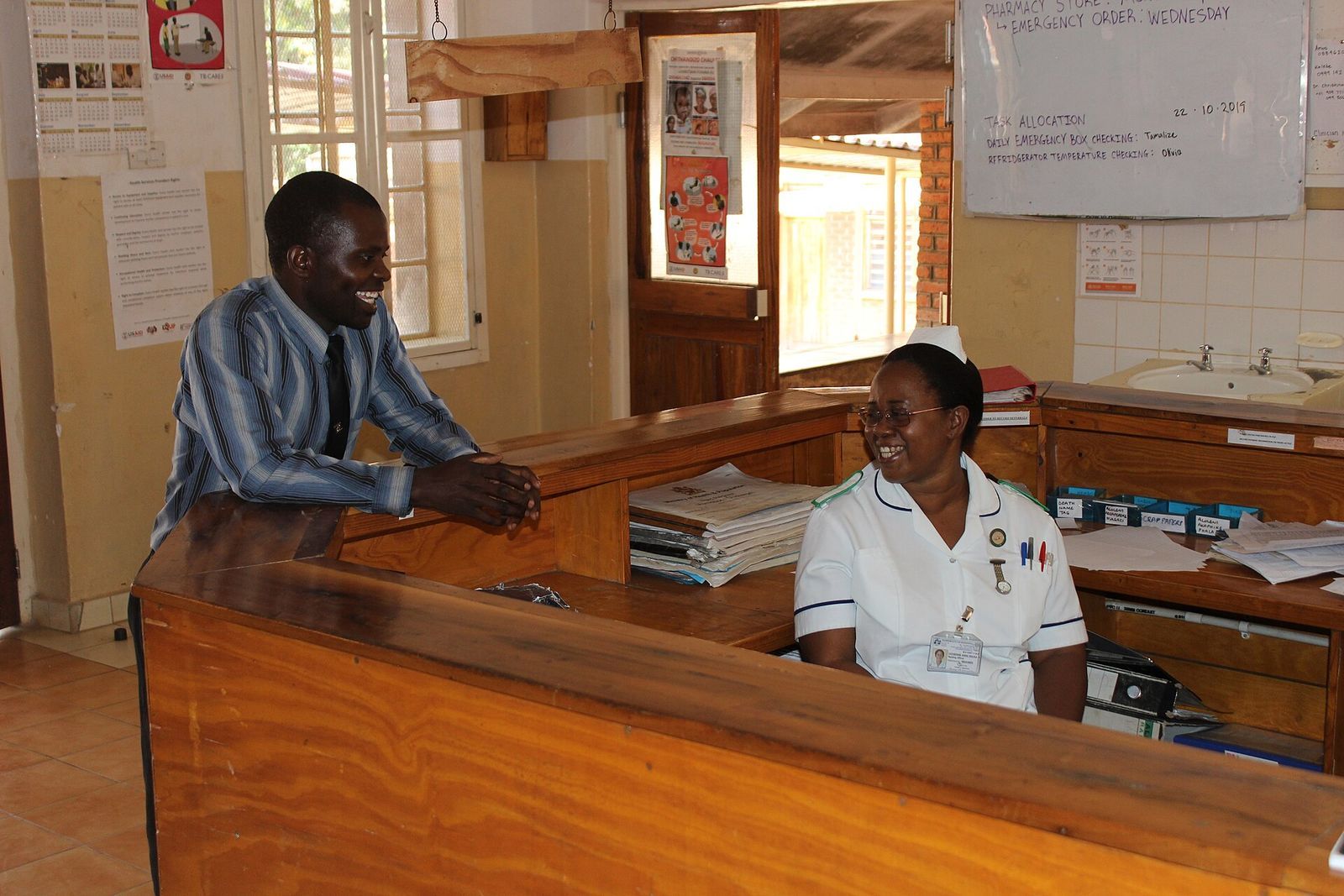
Healthcare Quality in PBF vs Non-PBF Facilities
A comprehensive, multicentre, mixed-methods evaluation comparing the quality of care in Performance-Based Financing (PBF) and non-PBF facilities in Ethiopia, examining whether tying facility financing to verified…
February 2026 – present Read more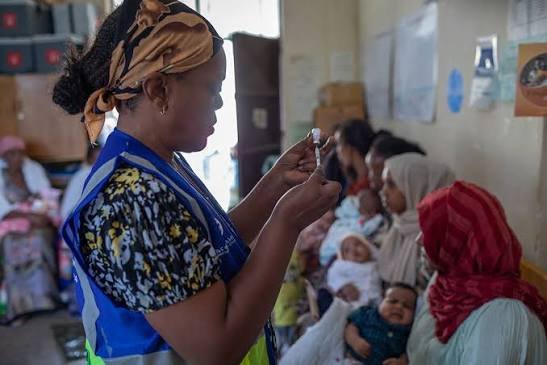 Ongoing
Health financing & governance · Amref Health Africa
Provider payment assessment for primary health care
A three-region field assessment of how Ethiopia's existing provider payment mechanisms function in practice, adapting an international assessment framework to the Ethiopian context to inform the…
December 2025 – June 2026 Read more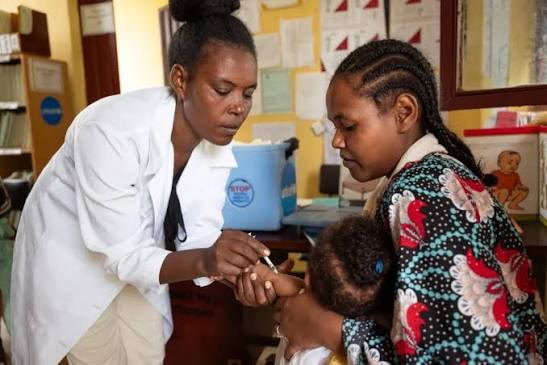 Ongoing
Health financing & governance · International Vaccine Institute
Investment Case for Ethiopia’s Vaccine Ecosystem: ACHIEVE Africa 2.0
With the International Vaccine Institute, a comprehensive economic and return-on-investment analysis building the investment case for strengthening Ethiopia's vaccine ecosystem, from clinical evaluation to regulatory systems…
April 2025 – present Read moreWork with us.
We take enquiries from governments, development partners, research institutions and implementers on research, advisory and training engagements.